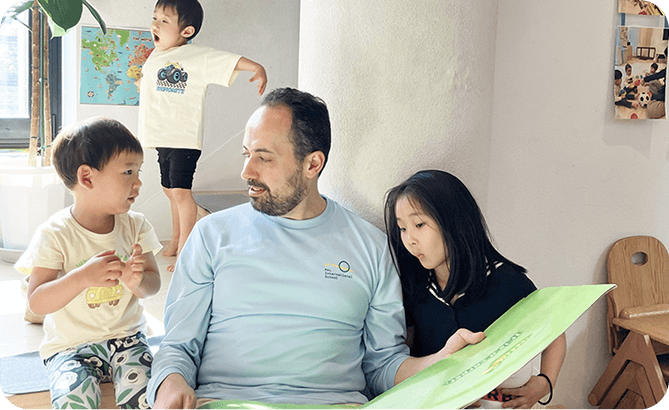



ABOUT THE SEIWA 
GYOUGAKU GROUP

The Seiwa Gyougaku Group, centered on 
the Seiwa School Corporation, is an educational organization 
working across early childhood education, childcare, developmental support, 
and family services.

Through the HIROGARI Childcare Project, the group operates 
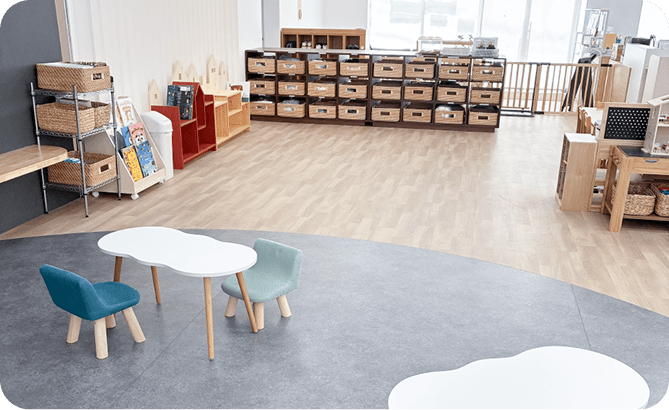
a range of environments that support children and families — including early learning centers, developmental support programs, 
and community-based spaces for learning and connection.

These initiatives reflect a broader commitment to social action, recognizing that supporting children’s development 
is inseparable from strengthening communities and society.

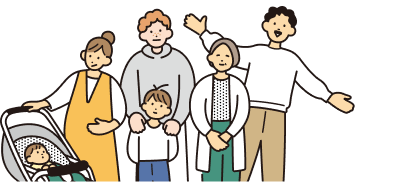
By placing children at the center of its work, 
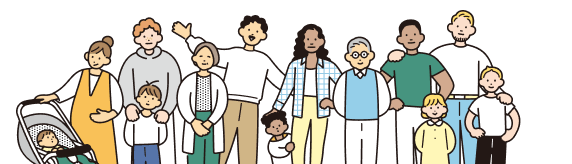
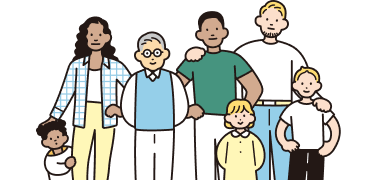
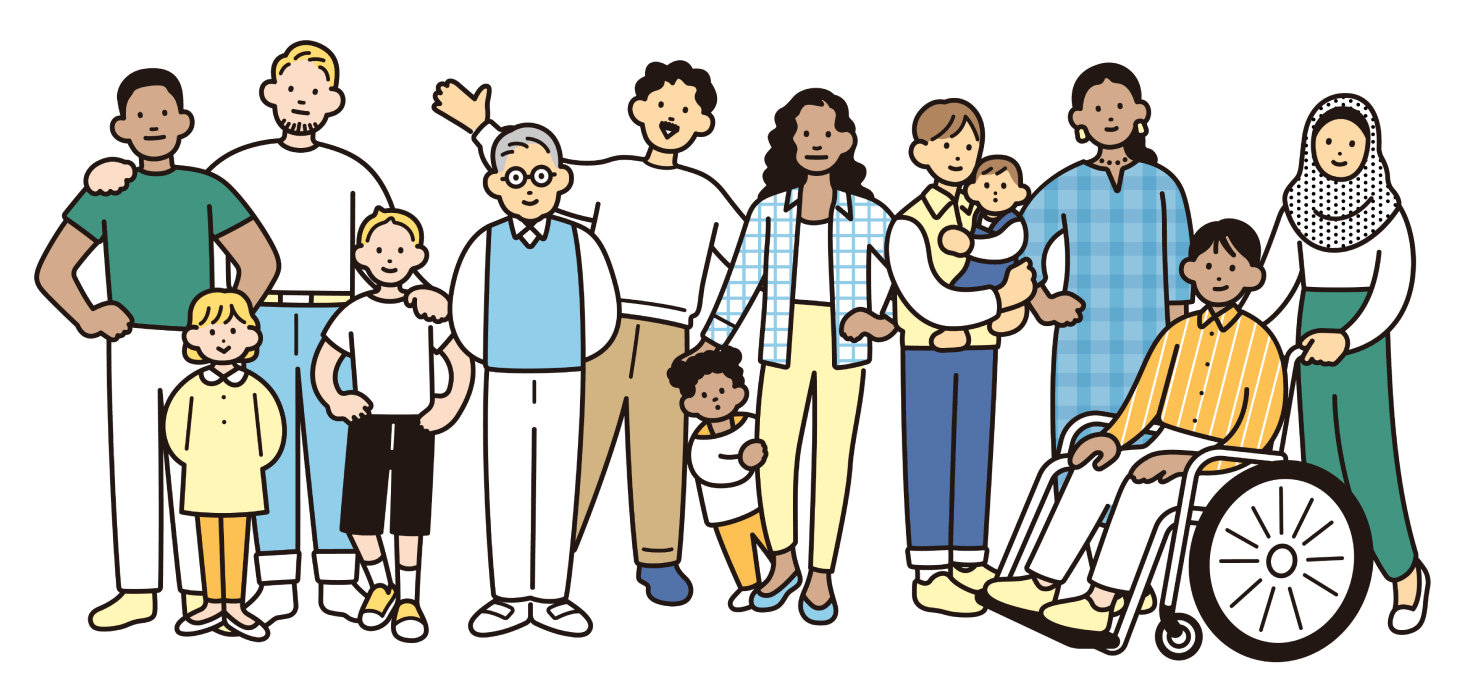
the Seiwa Gyougaku Group seeks to create inclusive communities 
where diverse people can learn, live, and grow together.

The HIROGARI Childcare Project emerges from this philosophy 
and serves as a platform connecting education, community, 
and social innovation.

Children connect people, communities, 
and the future.

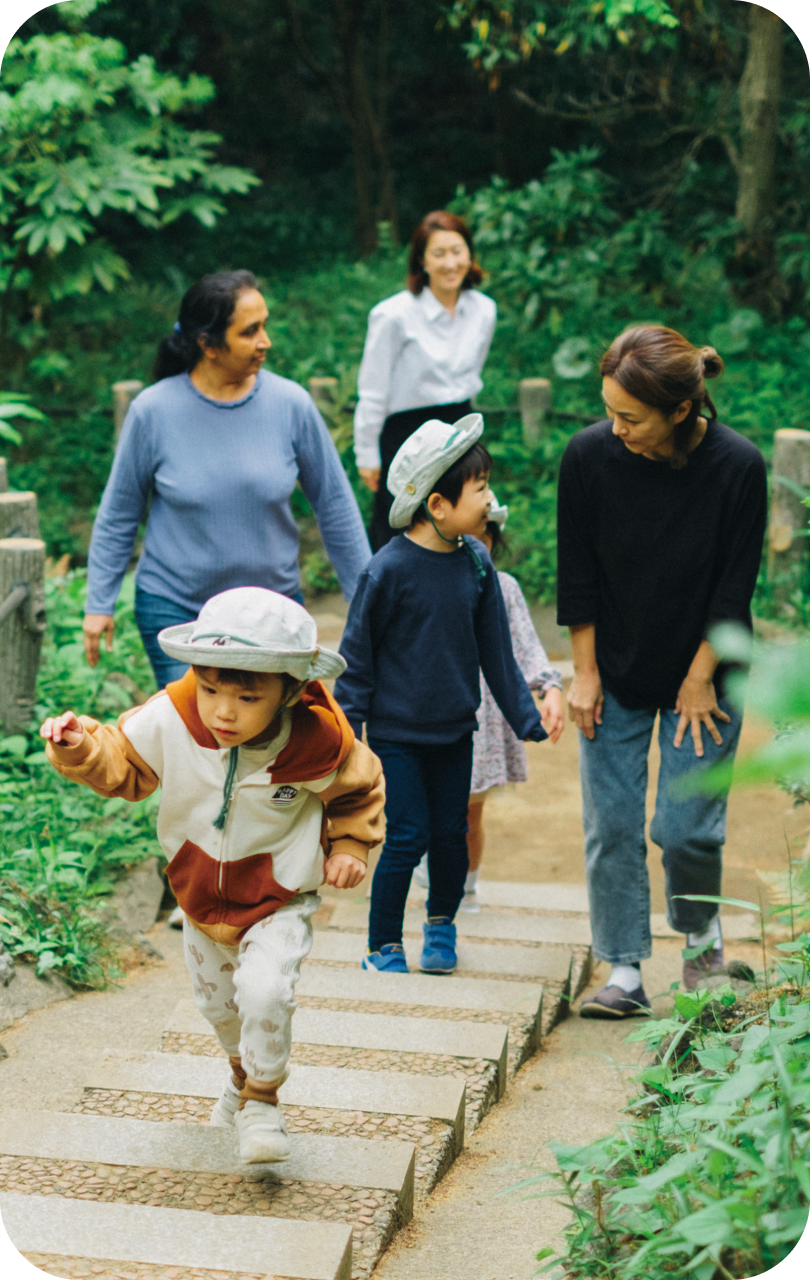
森の中で過ごすこどもたち

Seiwa Gyougaku Group

IKI IKI:
Childcare Where Children Encounter the World

Where Children Encounter the World through Learning Children are born with a natural curiosity about the world and an innate capacity to learn and grow. Through touching, trying, wondering, and connecting with others, they begin to make sense of their experiences through play and everyday life. Each moment holds meaningful opportunities for learning. We see childcare as a process in which children encounter the world and deepen their own understanding of it.

At the heart of this approach is a commitment to child-centered learning. We do not see children simply as beings to be protected, but as active participants who explore, interpret, and co-create their world. Rather than providing ready-made answers, we begin with children’s questions and curiosity, supporting their learning journeys alongside them. Educators are not just transmitters of knowledge, but facilitators who explore the world together with children.

Through trial and reflection, children continue to learn, shape their own futures, and collaborate with others to contribute to a better society. When children flourish, society flourishes as well. This is the vision of childcare that we strive to realize at Seiwa Gyougaku Group.

Childcare Philosophy

IKIIKI 
–Well-Being in Action

We believe that children’s well-being is the clearest indicator of a healthy and supportive learning environment.
When children feel safe, confident, and joyful, they naturally become curious and actively engaged in exploring the world around them.
Everyone who contributes to a child’s growth—educators, families, and community members—plays an important role in nurturing that well-being. Children flourish when their well-being is respected, supported, and embraced by the whole community.

Child care Policy

Child-Centered Learning

  1. Children are capable, curious, and powerful learners.
  2. They are naturally driven to grow, explore, and make sense of the world around them.
  3. Children are not only the future of society—they are active participants in shaping it.
  4. Through curiosity, creativity, and a deep sense of wonder, 
    children discover perspectives and possibilities that adults often overlook.
  5. Diversity enriches learning and strengthens our collective future.

Recognizing these truths, we place children at the center of our early childhood education— 
supporting their agency, honoring their perspectives, and nurturing their growth as confident learners and contributors to society.

Childcare and Learning Goals

  • Empowering Children with Capabilities for Life

    Our childcare nurtures each child’s inherent potential and supports them in developing the capabilities to think, choose, and shape their own future.

  • Inquiry Through Play and Everyday Life

    We value children’s curiosity and questions, supporting learning through inquiry, play, and everyday experiences.
    Through exploration and discovery, children actively construct their understanding of the world.

  • Growing Through Community

    Childcare is a shared endeavor among children, families, and communities.
    Together, we create a supportive environment where children grow as active participants in society.

Our Social Action

Creating a Society of 
Well-Being Through 
Four Perspectives

Our early childhood settings are where children first encounter society and begin to connect with the wider world.
Through everyday life—building relationships, engaging with nature, and encountering the local community—
children gradually expand their world from the starting point of their own lives.

These experiences lead children to:
Value themselves as irreplaceable individuals
Respect the diverse ways of being in others
Recognize their own Agency — the power to make society better through their actions.

The strength children develop to live their lives flows back into the richness of society itself.
Through our practice of childcare, we strive to co-create a future where everyone can live authentically and with a sense of well-being.
This is what we call “Social Action.”

ITONAMI

–Living Practices for Belonging and Cultural Learning–
Living with Food and the Land / Living in Harmony with Nature / Living with Heritage and Culture / + Crafting Your Own Way of Living

Children encounter society through everyday life.
Eating together, experiencing nature, and engaging with culture are fundamental ways in which children begin to understand the world.
Through these living practices, children develop a sense of belonging and recognize themselves as active participants in their communities.
At Seiwa Gyougaku Group, we value these everyday cultural experiences—food, nature, and shared community life—as essential foundations for children’s learning, well-being, and social understanding.

ITONAMI in Practice

  • Universal and Inclusive ChildcareWe strive to provide childcare that is accessible to every child whenever it is needed.
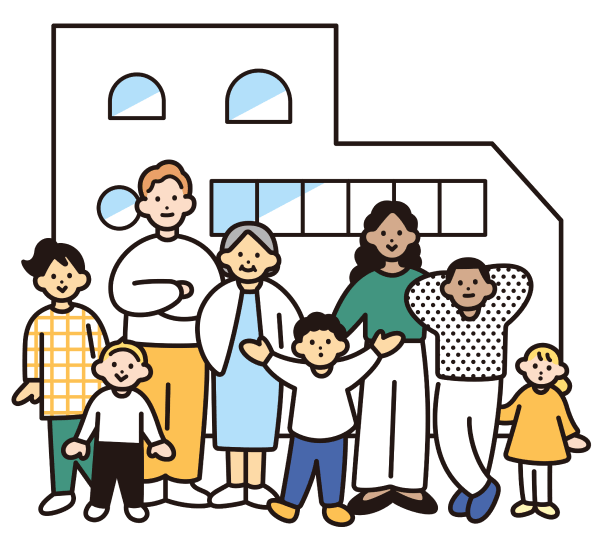
    Children from diverse cultural, social, and developmental backgrounds grow and learn together in our community.
    Experiencing diversity in everyday life helps children develop empathy, mutual respect, and the ability to live together in an inclusive society.
  • Everyday Encounters with Culture and the CityEncounters with culture and art are not occasional events but part of everyday learning.
    Children regularly visit cultural institutions such as the Mori Art Museum,
    explore the natural environment of Meiji Shrine, and experience authentic artistic and cultural expressions.
    They also participate in local festivals, neighborhood events, and community activities.
    In this way, the city itself becomes an extended learning environment.
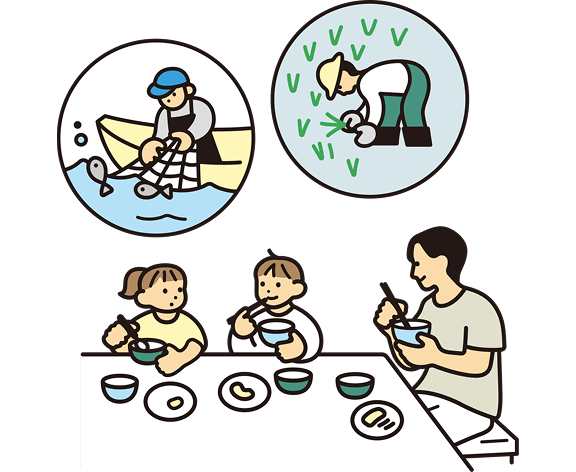
  • Food as Culture and Cultural ExchangeWe view food not only as nutrition but as a vital cultural practice.
    Children engage with seasonal ingredients, participate in cooking, and experience
    the relationship between nature, people, and food.
    Japanese cuisine is widely recognized as a significant cultural heritage.
    By experiencing both Japanese food culture and cuisines from around the world, children develop cultural understanding and appreciation for diversity.
KOKOROMI

–Exploration & Innovation–
New approaches to learning / New systems for childcare / Digital innovation / + Your own exploration

As society continues to evolve, early childhood education must remain open to exploration and innovation.
At Seiwa Gyougaku Group, we continuously reimagine learning environments and systems that support children’s growth.
Our work includes creating environments that nurture children’s curiosity, developing inclusive systems where diverse children grow together, and exploring new approaches to education that respond to a changing society.
Through these ongoing explorations, we create learning environments where every child’s potential can unfold.

KOKOROMI in Practice

  • Inclusive Learning CommunityWe believe that every child belongs in the same learning community.
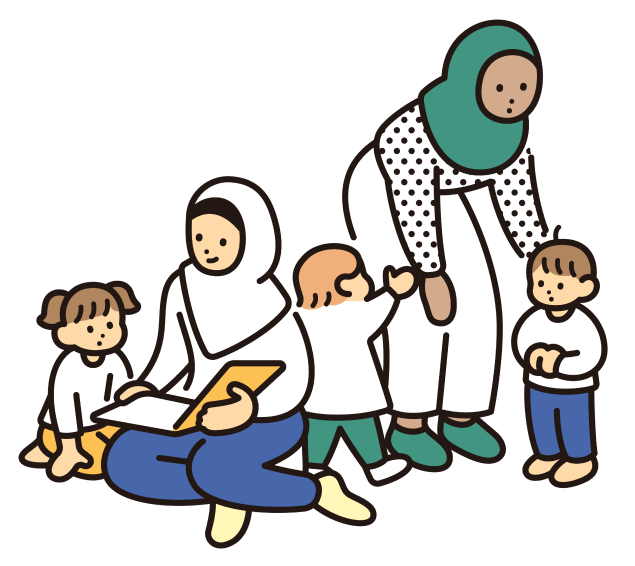
    Children grow, play, and learn together in shared environments that embrace diversity in culture, language, ability, development, and age.
    In some of our settings, child development support services are integrated within the school environment, creating a seamless connection between education and developmental support.
    Diversity strengthens learning and helps children develop respect for different perspectives. Growing up together in inclusive environments allows children to experience what it means to live in a diverse society.
  • Collaborative Support for Children with Medical NeedsAt Seiwa Gyougaku Group, healthcare, welfare, and education professionals work together to support children who require medical care.
    These collaborative systems allow children with medical needs to spend their days alongside other children in the community. Growing up together in diverse environments helps all children learn empathy, cooperation, and what it means to live in an inclusive society.
  • Digital Transformation in Early Childhood EducationAt Seiwa Gyougaku Group, digital technologies support the learning environment. ICT systems and cashless services help streamline communication with families and improve the daily operations of our schools.
    By reducing administrative burdens, educators are able to spend more meaningful time engaging with children.
    Digital systems are used not as an end in themselves, but as tools that support a richer learning environment.
  • Creative Technology & Computational Thinking TechPark ProgramAt Seiwa Gyougaku Group, we offer the TechPark program in Tokyo, providing children with opportunities to explore technology through creative and inquiry-based learning.
    This initiative expands beyond traditional STEAM education by integrating programming and digital creation as tools for exploration and expression. Rather than simply using technology, children learn to imagine, experiment, and create with it. Through these experiences, children develop key future-oriented competencies such as:
    • Computational Thinking
    • Creative Problem Solving
    • Digital Creativity
    These skills support children in becoming active creators in a rapidly evolving digital society.
    The TechPark program is offered as an optional learning opportunity for children who wish to explore technology and creativity more deeply.

TSUNAGARI

–Connected Community Ecosystem–
Connections among children / Connections between children and adults / Connections with the wider community / + Your own connections

Children learn through relationships.
By playing with peers, engaging with adults, and interacting with people in their community, children begin to understand how to participate in society.
At Seiwa Gyougaku Group, we describe this network of relationships as TSUNAGARI—a connected community built around children.
By connecting childcare facilities, community organizations, and local institutions,
we create learning ecosystems that extend beyond the physical boundaries of a single school.
These networks transform the entire community into a learning environment for children.
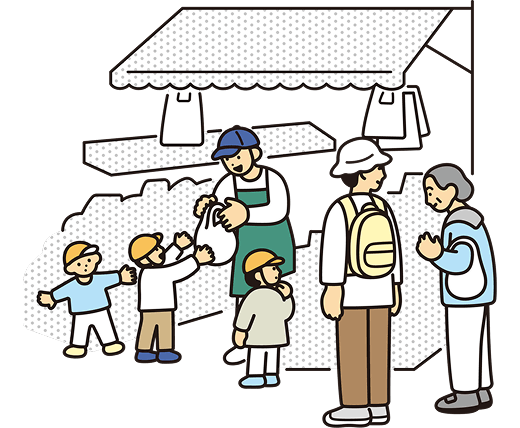
Children participate in local festivals, interact with neighborhood shops, and engage with community life.
Through children, new relationships also emerge among families, creating stronger connections among parents and the wider community.
In this way, children become catalysts for building connected communities.

TSUNAGARI in Practice

  • Growing Together with the Community –Community-Based Childcare– We value opportunities for children to engage with local residents, specialists, and people of all generations through forest experiences, farming, and a wide range of community activities. Encounters with people who hold diverse perspectives and ways of living add new colors to children’s worlds, sparking endless curiosity, questions, and learning. Within the warmth of the community, children are surrounded by many different people who watch over them, support them, and grow alongside them.
  • Through these experiences, children gradually come to feel: “I am also an important part of this society.” Our early childhood setting is more than just a place for children. It is where communities come together, connect with one another, and help nurture the future. We aspire to be a community hub where people can build gentle connections, support one another, and grow together.

HIROGARI

–Expanding Communities of Learning–
Beyond Borders / Beyond Languages / Beyond Generations / + Your Own Horizon

Children’s worlds expand infinitely through fresh encounters and new experiences.
Meeting people from different cultures, values, and generations broadens their perspectives 
and nurtures the strength to live alongside others with understanding and respect.
While cherishing the daily life of the local community, we cultivate learning communities that connect seamlessly to society and the wider world.
Children grow within the safety of their local environment while crossing boundaries 
to meet diverse people from different cultures, languages, and generations. Through these experiences, they gradually expand their own horizons and develop the strength to live as active members of society.

HIROGARI in Practice

  • Global Connected Learning Children connect with peers around the world through digital platforms and global learning networks.
    These exchanges foster curiosity, empathy, and an understanding of cultural diversity.
  • Intercultural Food & Culture Food and cultural experiences provide meaningful opportunities for children to encounter different cultures and ways of life.
    Through shared meals and cultural exchange, children deepen their understanding of diversity.
  • Global Professional Learning Educators regularly participate in international study programs in regions such as New Zealand, Reggio Emilia, and Nordic countries.
    These experiences inform the design of learning environments and educational practices.
  • Global Education Partnerships Through participation in global educational networks, including UNESCO-associated initiatives,
    children and educators engage with international perspectives and learning communities.
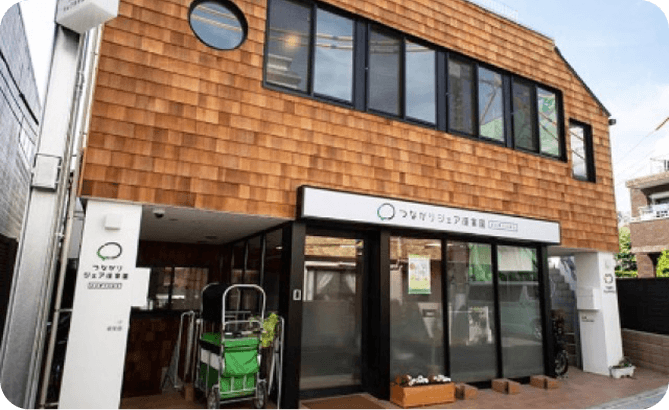
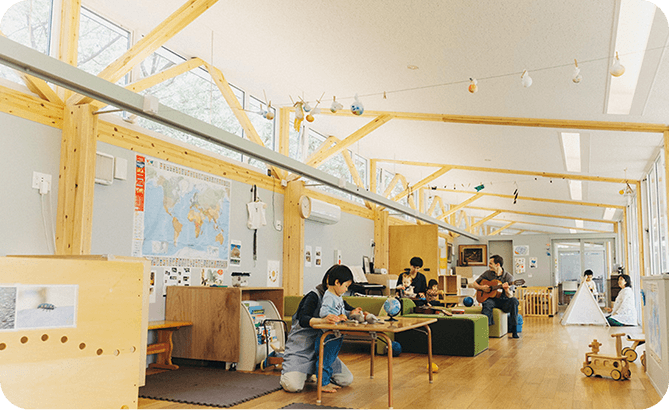
  • Sustainable Learning Environments Seiwa Gyougaku Group promotes timber-based learning environments in partnership with the Tokyo Metropolitan Government.
    Wood-rich spaces support sensory development and a connection with nature.
  • Social Innovation & Community Action Through crowdfunding and partnerships with communities and universities,
    Seiwa Gyougaku Group develops new models of childcare that connect education with society.
  • Sector Leadership & Professional Collaboration Seiwa Gyougaku plays leadership roles in national early childhood education organizations and professional networks.


    Through these collaborations, the group contributes to policy dialogue, innovation, and the advancement of early childhood education.

CREATING IKIIKI 
THE SEIWA GYOUGAKU GROUP MODEL

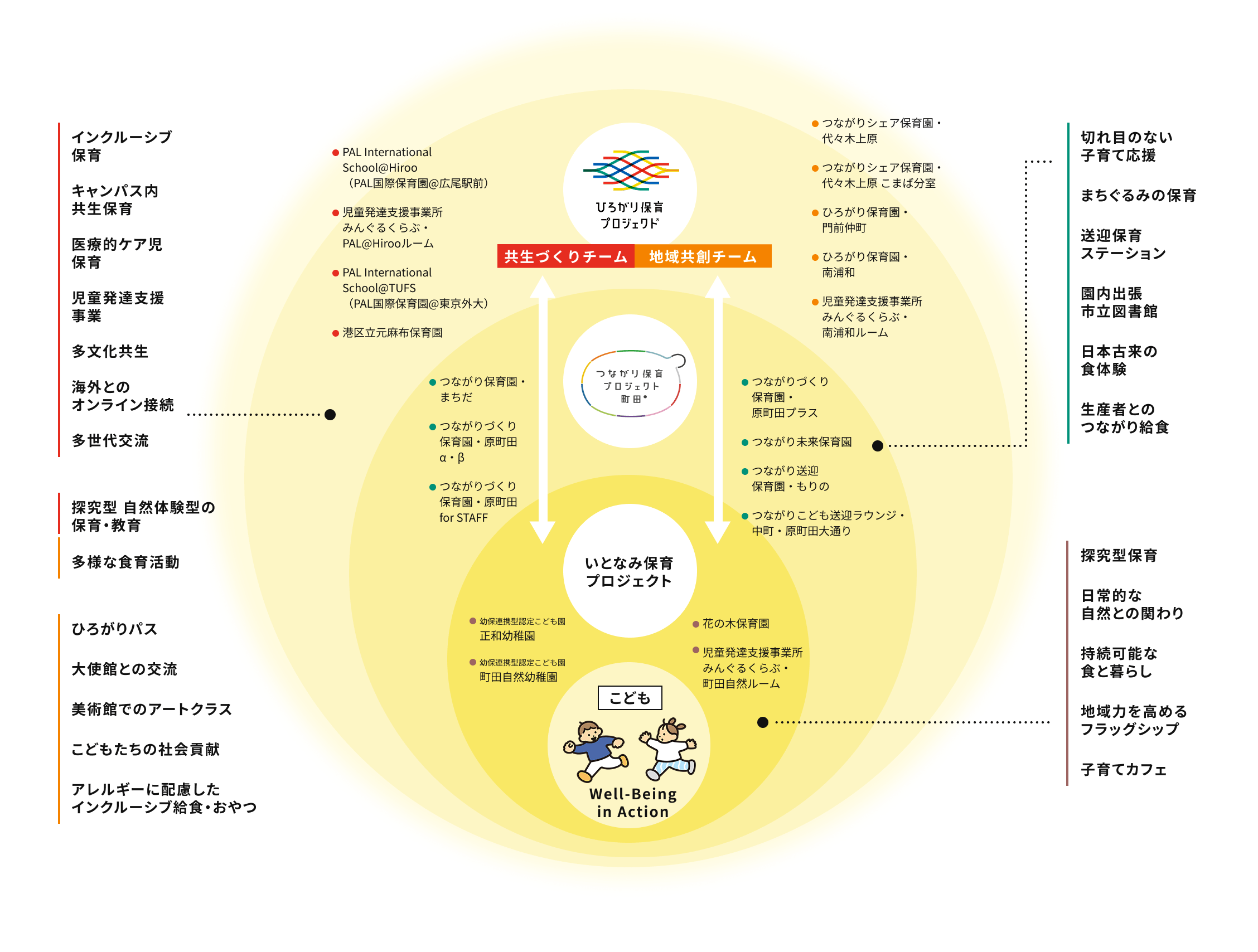
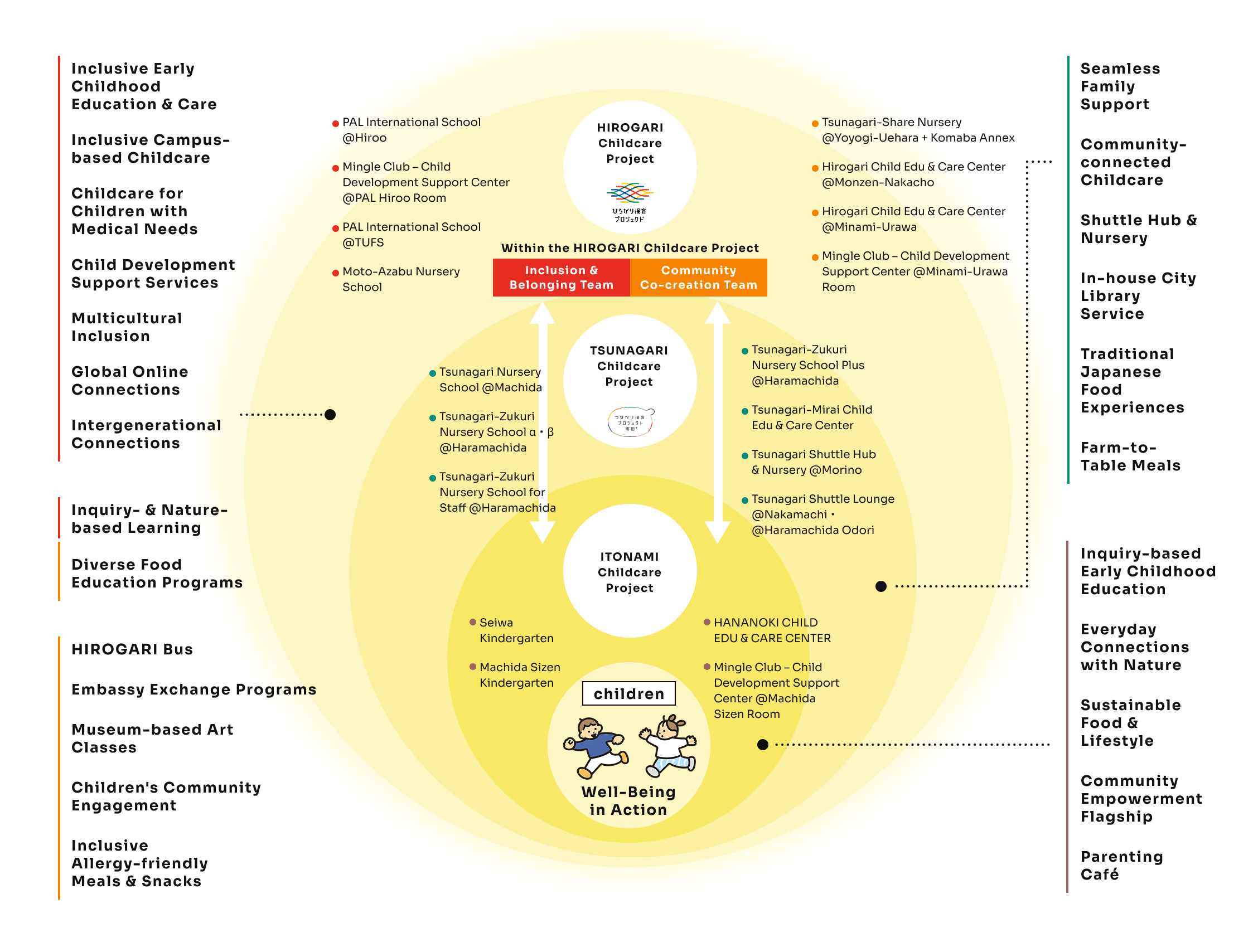
正和行学グループの取り組みマップ 正和行学グループの取り組みマップ SEIWA GYOUGAKU GROUP initiatives map SEIWA GYOUGAKU GROUP initiatives map

VISION FOR “NEW GLOBAL CHILDCARE”